Compare Local Contractors for Reliable Plumbing Services
Compare local contractors to define project scope, verify experience, and set clear expectations, ensuring a smooth plumbing service tailored to your property’s needs.
Plumbing service contractors typically handle a wide range of tasks related to the installation, repair, and maintenance of plumbing systems within residential, commercial, or industrial properties. This can include fixing leaks, unclogging drains, installing new fixtures, replacing water heaters, and ensuring that pipes and plumbing components operate efficiently and safely. Understanding the specific scope of work needed is essential to ensure that the chosen service providers have the appropriate expertise and tools to complete the job effectively, whether it involves routine repairs or more complex system upgrades.
Defining the scope of a plumbing project plays a critical role in setting clear expectations and avoiding misunderstandings. Property owners should outline the specific tasks involved, desired outcomes, and any relevant details about existing systems or constraints. Putting these details into writing helps facilitate transparent communication with contractors, making it easier to verify that all parties are aligned on the work to be performed. Clear scope definitions also support more accurate comparisons between local contractors by highlighting their experience, specialties, and approach to similar projects.
When comparing local contractors for plumbing services, property owners should consider their experience with similar types of work, reputation within the community, and the range of services offered. Gathering information about each service provider’s background, such as previous projects or areas of expertise, can help inform decision-making. It’s also beneficial to review how contractors handle project details, including scope documentation and communication practices, to find those who prioritize clarity and professionalism. This approach ensures that property owners can connect with service providers capable of meeting their specific plumbing needs reliably and effectively.
Compare local contractors by outlining your priorities, verifying experience, and clearly defining project scope and expectations.
- Compare Contractor Experience - Review the backgrounds and project histories of local contractors to assess their expertise.
- Define Project Scope Clearly - Outline specific plumbing needs and expectations to ensure alignment with service providers.
- Verify Credentials and References - Check references and verify experience to select trusted local contractors.
- Document Agreements in Writing - Establish written agreements detailing work scope and responsibilities to set clear expectations.

Clearly define your plumbing project and compare local contractors based on experience, services, and written expectations.
- Verify experience with similar plumbing projects to ensure familiarity with the scope of work. - Look for service providers who clearly define the work to be performed in writing.
- Check references or reviews to assess the quality of previous plumbing services provided by local contractors. - Confirm that the scope of work and expectations are detailed in the service agreement.
- Ensure the contractor has proper insurance coverage to protect against potential damages or accidents during the project. - Compare multiple local plumbing contractors to find those with a proven track record.
- Discuss and document the specific plumbing issues to be addressed and the methods to be used in the project scope. - Review the contractor’s experience handling similar plumbing systems or fixtures.
- Ask about warranties or guarantees on parts and workmanship, and ensure these are included in the written agreement. - Use comparison tools to evaluate the scope and details provided by different local service providers.
Compare local contractors to clarify scope, verify experience, and set clear project expectations.


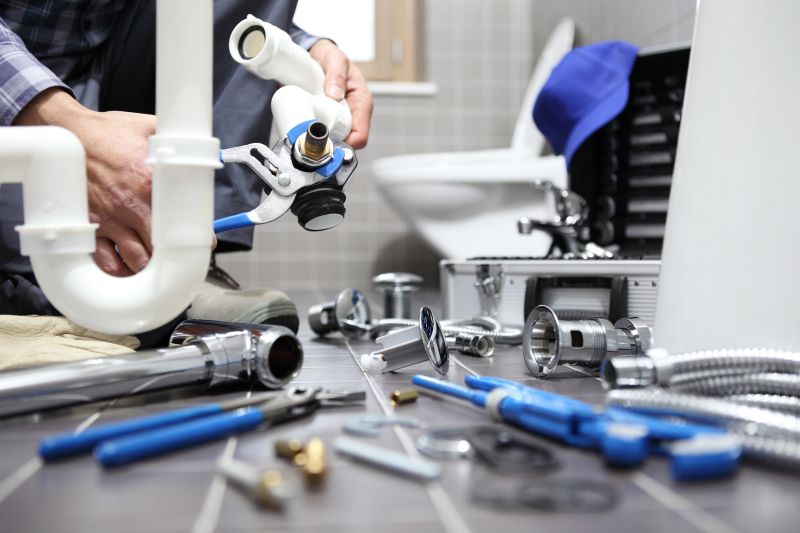

This scope builder helps compare plumbing contractors consistently by clarifying work details, verifying experience, and setting clear expectations in writing.
- Define the scope of plumbing work needed to ensure clarity on specific tasks and responsibilities for the service providers.
- Verify experience and expertise of local contractors to confirm their capability to handle the plumbing services required.
- Establish detailed project expectations in writing to set clear guidelines and prevent misunderstandings during the job.
- Compare multiple service providers based on their qualifications and service offerings to identify the most suitable options for the project.
- Clarify communication and project management processes to ensure smooth coordination throughout the plumbing service.
When comparing contractors for plumbing services, it’s important to consider their experience with projects similar in scope and complexity. Service providers with a history of handling comparable plumbing issues or installations are more likely to understand the specific challenges involved and deliver reliable results. Homeowners should inquire about the types of projects a contractor has completed in the past, paying attention to those that closely resemble the work needed, to gauge their familiarity and proficiency in the relevant areas.
A clear, written scope of work is essential for establishing mutual understanding and setting expectations. When evaluating different contractors, look for detailed descriptions of the services they plan to provide, including the specific tasks involved, materials to be used, and the extent of the work. This documentation helps ensure that all parties are aligned on what will be done, reducing the potential for misunderstandings or overlooked details as the project progresses.
Verification basics involve assessing a contractor’s background and credentials related to their experience and reputation. Homeowners should verify that the service providers have a proven track record of completing similar plumbing projects successfully, and seek references or reviews when available. Confirming that a contractor has a consistent history of quality work provides confidence in their ability to handle the specific plumbing needs effectively.
Evaluating options without focusing on prices involves a careful comparison of the scope, experience, and professionalism of different contractors. Homeowners can ask questions about their approach to the work, request detailed written proposals, and seek clarity on the methods they plan to use. By focusing on these qualitative factors, it becomes easier to identify service providers who are capable, transparent, and well-suited to meet the project requirements, ensuring a more informed and confident selection process.
Ask contractors to provide written scope details to ensure clear expectations and consistent project understanding.
- Scope of Work - What specific plumbing tasks or repairs do local contractors plan to include in their scope?
- Experience and Expertise - How do local service providers demonstrate their experience with similar plumbing projects?
- Work Guarantees - What assurances or warranties do local contractors offer for their plumbing work?
- Project Expectations - How will the scope and details of the plumbing service be documented in writing?
- Comparison Criteria - What factors should be considered when comparing different plumbing service providers beyond pricing?
How can I compare plumbing contractors effectively? To compare contractors, review their experience, verify references or reviews, and ensure their scope of work aligns with your project needs. Clarify what services are included and ask about their process to ensure transparency.
What should I consider when defining the scope of a plumbing project? Clearly outline the specific tasks involved, such as repairs, installations, or upgrades, and communicate any special requirements. A detailed scope helps prevent misunderstandings and sets clear expectations for the work.
How can I verify a contractor's experience with similar plumbing jobs? Ask contractors about their past projects similar to yours, request references or case studies, and confirm how long they have been handling the type of work you need to ensure they have relevant expertise.
Why is it important to have the project scope in writing? Having the scope documented provides a clear reference for both parties, helps prevent disputes, and ensures everyone understands the work to be performed, including specific tasks and responsibilities.
What questions should I ask a plumbing contractor before hiring? Inquire about their experience with similar projects, request details on their process, ask how they handle unexpected issues, and verify their understanding of your project scope to ensure compatibility.
How can I ensure the contractor understands my expectations? Communicate your needs clearly, ask for a written scope of work, and confirm that the contractor has a shared understanding of the project details before proceeding.
By exploring the options available, visitors can better understand how to identify reputable contractors for their plumbing needs. Learning to define the scope of work, verify experience, and set clear expectations in writing helps ensure the process is straightforward and transparent. Comparing different local service providers allows for informed decisions and confidence in selecting the right contractor for the job.
Utilizing the quote form provides a practical way to connect with trusted local contractors who can handle plumbing projects. It offers an easy step to gather information and compare options without commitment, making it simpler to find service providers that match the specific requirements of the project.